2026 Lake Oswego City Council Candidates Responses to LOSN Questions
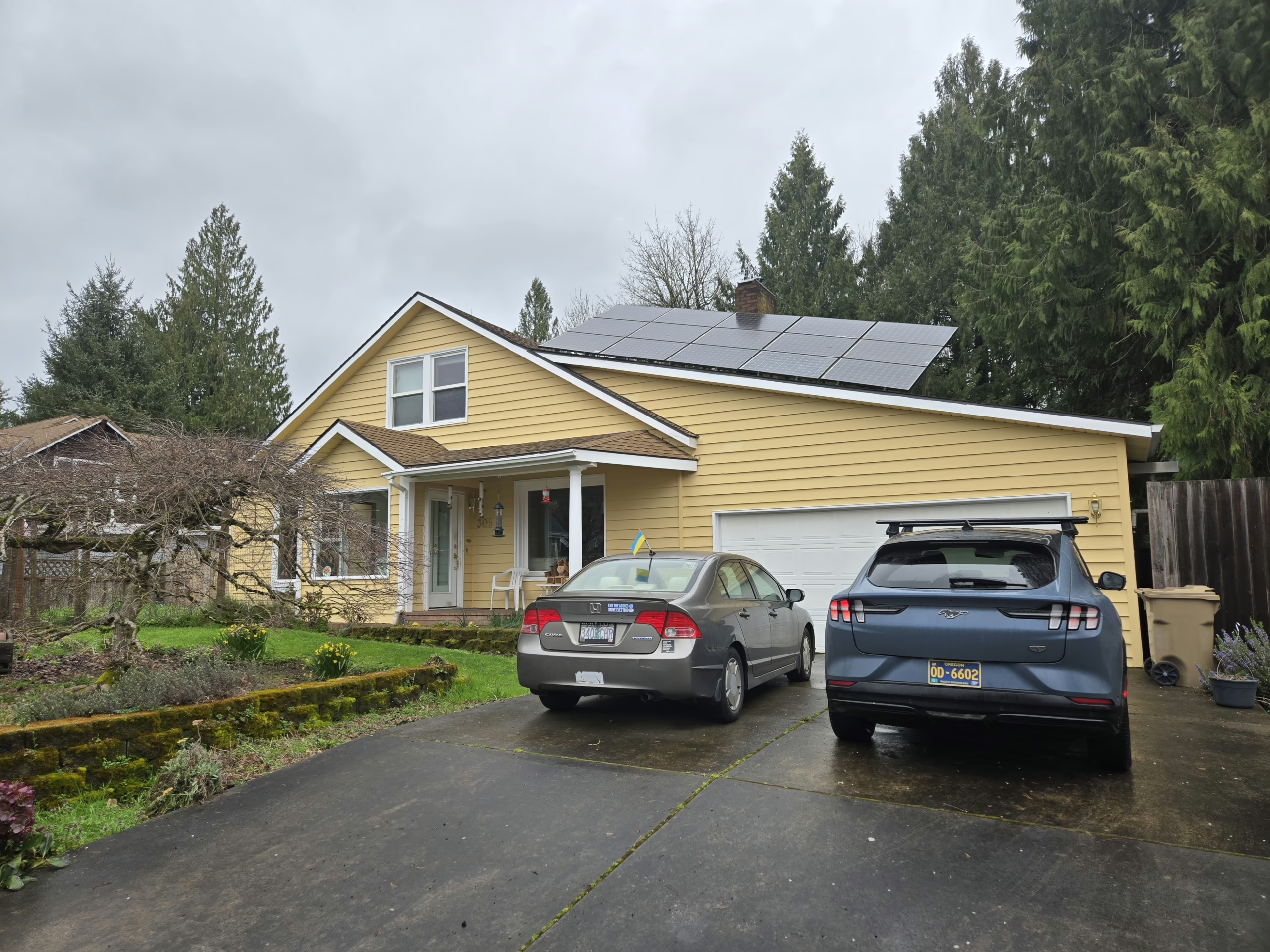
Suzanne Miles
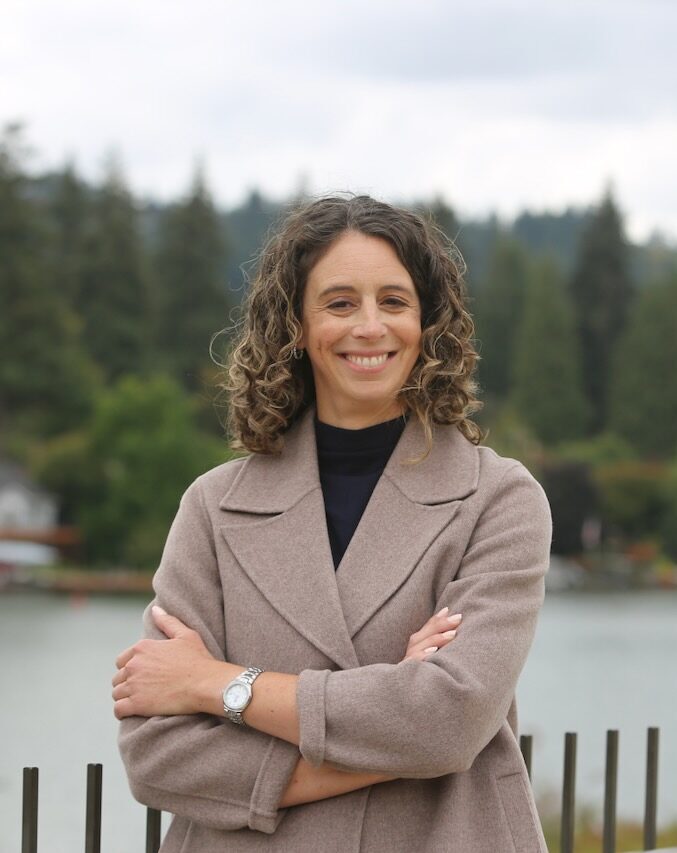
Heather Ramsey
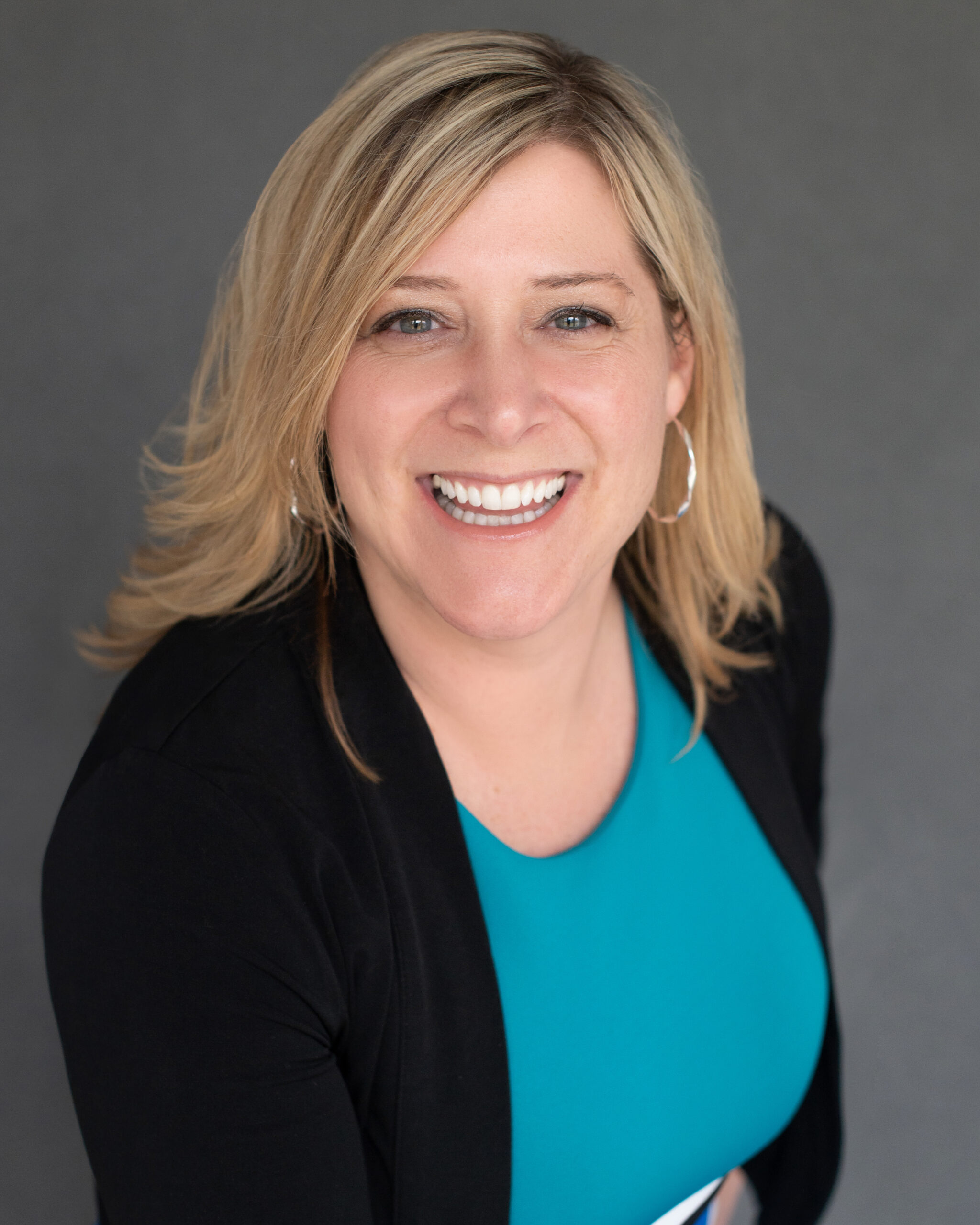
Bryan Guiney
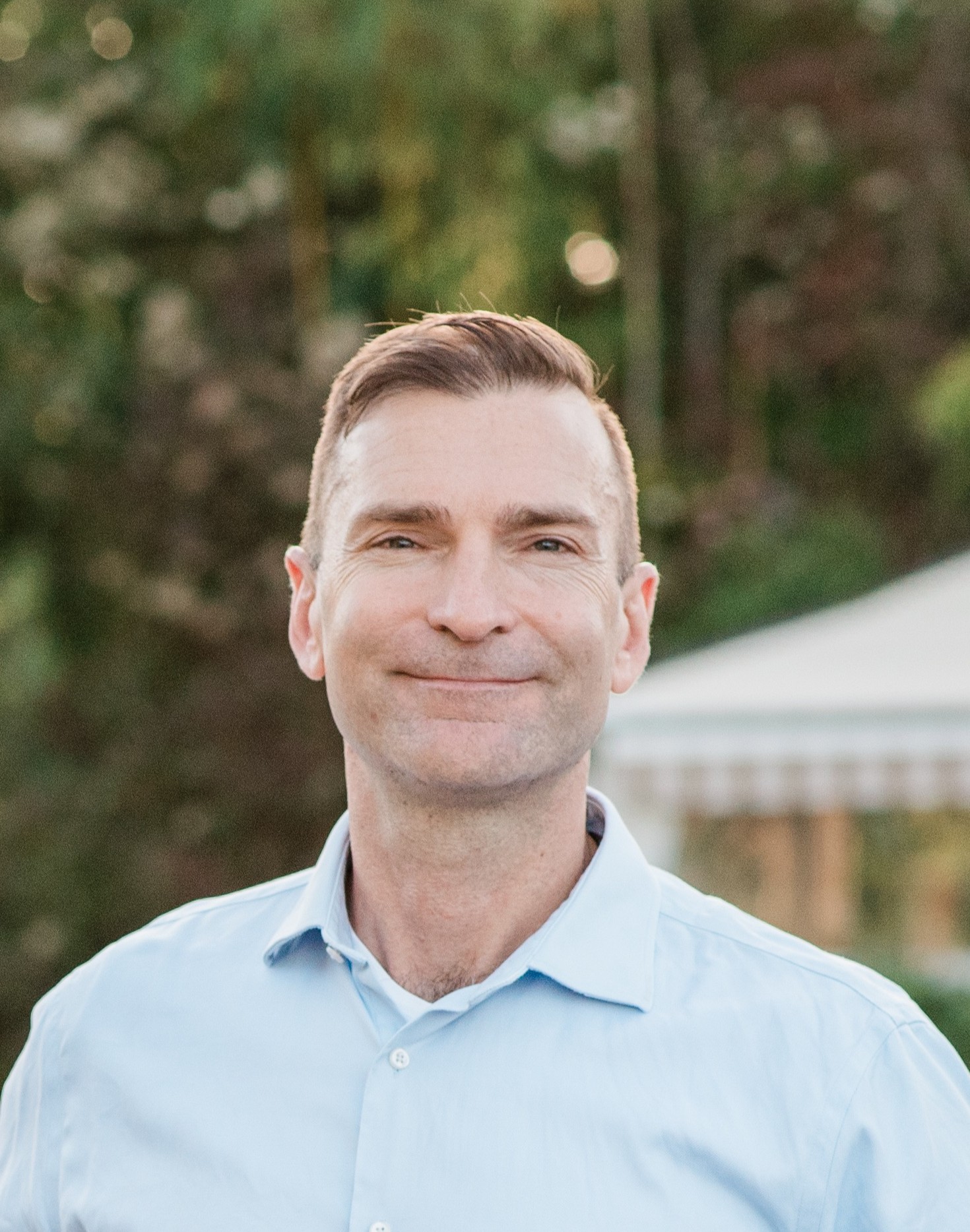
Peren Tiemann
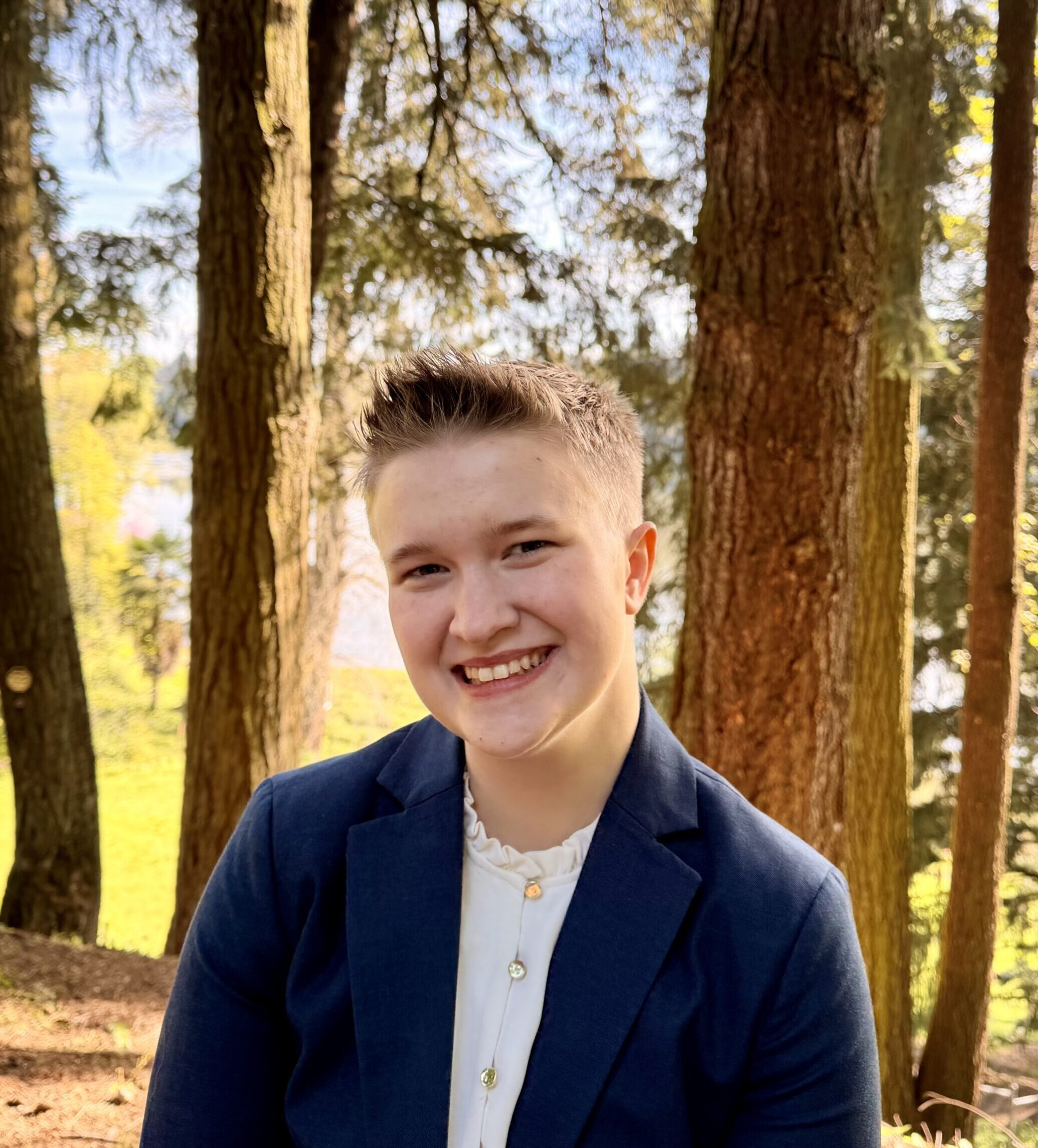
Patrick Walsh
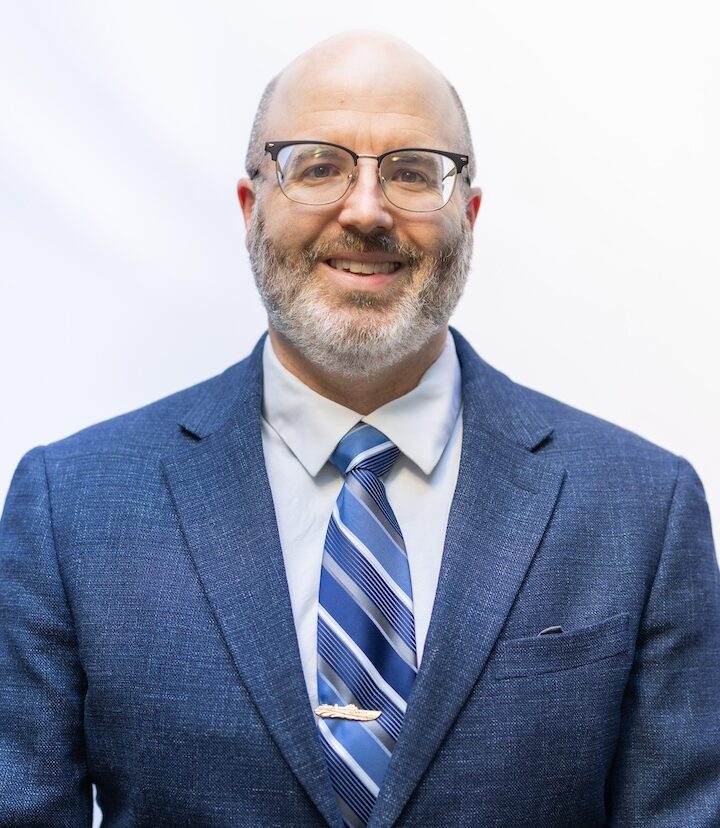
Neil Tunmore
The Lake Oswego Sustainability Network (LOSN) does not endorse individual candidates. However, we are committed to providing information about the candidates’ positions and thoughts on equity and sustainability. We reached out to the candidates that are running for the Lake Oswego city council:
- Suzanne Miles
- Heather Ramsey
- Bryan Guiney
- Peren Tiemann
- Patrick Walsh
- Neil Tunmore
We appreciate their time and consideration of these important issues and the thoughtful answers that they provided. Below are the questions and the candidates’ complete, unedited responses.
Question 1: What is your highest sustainability priority for Lake Oswego? Please explain why and how you would like to move it forward. How would you like LOSN to help you?
Suzanne Miles: My priority is to make sustainability part of every conversation–not just those labeled as “environmental.” Some issues deal directly with the environment, i.e. managing our tree canopy, addressing pollution sources and water quality. But nearly every decision the city makes touches the environment, either today or tomorrow. How we approve development, route infrastructure, manage stormwater, plan transportation, all of it has environmental consequences.
Treating sustainability as an isolated category or a box to be checked is a mistake that our grandchildren will pay the price for.
That said, the environmental impacts and sustainability opportunities are not always obvious. I hope to lean on LOSN’s expertise in systems thinking to help spot both environmental impacts and potential opportunities to create environmental benefits where they might otherwise get missed.
Heather Ramsey: For me, sustainability and resilience are part of what good governance looks like. One of my top priorities is pretty straightforward, build Lake Oswego’s infrastructure to last. On time, on budget, and designed for the conditions we’re already dealing with: the weeks of wildfire smoke (which I had to get used to when I first arrived), the heat waves (which seem to be increasing), the stormwater system (that I’ve come to learn is older than most of the homes it serves), and of course, the risk of a Cascadia event to our entire region. I’d like to see us get there with technical help and permitting that reinforces it being done the right way. As for LOSN, I’d love your help! Please treat me the way you’d treat any councilor who wants to get it right. Bring the data, the trade-offs, and what’s worked in cities like ours. I want to be able to ask hard questions early, rather than fix an expensive misstep later. Progress sticks when the entire community takes part in designing it.
Bryan Guiney: My highest sustainability priority is making Lake Oswego more climate resilient while protecting the natural environment that makes this community such a special place to live.
For me, that starts with our urban forest. Wildfire, extreme heat, invasive pests like Emerald Ash Borer, and development pressures all pose risks to our tree canopy and natural areas. We need active forest management, hazardous-fuel reduction, protection and renewal of our tree canopy, healthy soils and habitat, and emergency preparedness. But resilience also means looking at how we grow. I support focusing new housing and redevelopment in our town centers and transportation corridors while protecting stream corridors, natural areas, and neighborhood tree canopy.
I also see a major opportunity to connect environmental stewardship with fiscal responsibility. Investments in energy efficiency, clean energy infrastructure, stormwater management, water conservation, and proactive resilience planning can reduce emissions while lowering long-term operating costs for residents and the City.
I’d like LOSN to continue doing what it does particularly well: bring expertise, ideas, and community members to the table and help the City turn sustainability goals into measurable results. I would especially value LOSN’s partnership in identifying practical ways to accelerate implementation of the Sustainability and Climate Action Plan and helping us gauge whether we’re actually achieving the outcomes we set out to achieve.
Peren Tiemann: My highest sustainability priority for Lake Oswego is to reduce reliance on cars, and increase access to lower pollutant and clean energy transit options. Transportation is a major pollutant, and by making our community more walkable and bikeable, we benefit not only in environmental impacts, but in support and access to local businesses, workplaces, and parks. By continuing to create opportunities for safe and accessible walking paths, we create the ability for more people, especially the elderly and disabled, to enjoy our beautiful outdoor spaces, and access public transit if desired. By building out more sidewalk and bike lane infrastructure, and continuing to work on supporting public transit, and offering ways for people to transition to electric vehicles, we can reduce our gas emissions and offer affordable solutions for all. In exploring the path forward on this issue, we need to incorporate the existing sidewalk and bike lane infrastructure into a thorough plan for long term infrastructure needs, while we make decisions about how best to support public transit access in our community. I would love the support of the LOSN in exploring the best paths forward, raising awareness around the many helpful uses of accessible infrastructure, and engaging neighbors in exploring our community in a possibly new way, together.
Patrick Walsh: I want to see Lake Oswego as a leader in public transit and micro-transit in Oregon. As a legally blind resident who relies daily on public transit, walking, and micro-mobility, I bring lived authority to transportation equity. As Clackamas County’s largest city, Lake Oswego can pioneer localized solutions that serve as a regional blueprint. Geography and the lake hinder access to the Lake Oswego Transit Center and Tualatin Park & Ride. I propose partnering with Clackamas County to expand their Clackamas Connects shuttle program into Lake Oswego.
Deploying neighborhood electric micro-shuttles will bridge transit deserts along Kruse Way and Boones Ferry, routing residents directly to main TriMet lines. To boost active transportation, we should upgrade our Transit Center into a modern mobility hub featuring secure bike lockers, e-bike charging, real-time audio/visual arrival screens, and micro-mobility drop zones. To turn this vision into reality, I would look to LOSN as a vital partner in three key ways:
- Community Data & Route Mapping: Partner to conduct neighborhood surveys and listening sessions to map actual rider demand along Kruse Way and Boones Ferry, giving the City and County concrete data to justify a shuttle expansion.
- Grassroots Advocacy: Mobilize network members to testify at City Council work sessions and Transportation Advisory Board meetings, advocating for micro-transit to be prioritized in upcoming Transportation System Plan (TSP) updates.
- Regional Coalition Building: Help bridge connections between City staff, Clackamas County commissioners, TriMet planners, and the business community along our commercial corridors to build the multi-agency consensus needed to secure pilot funding.
Neil Tunmore: One of the things you will see on my website is I think everything we do should add value. Value comes in different forms but in this area I am all in on initiatives that have a return. So, in new construction like the fire station or waste plant there are many options that should be seriously considered. I will ask questions on sustainability if I get the chance to review the design. The area I think you can help me most is arming me with the latest programs and ideas being considered elsewhere in the country. I’ve been out of big business since 2018 so I am probably behind the times on latest technologies.
Question 2: The City of Portland banned gas leaf blowers effective Jan. 1, 2026. The LO City Council has had a goal for the last two years to phase out gas-powered leaf blowers. What are your recommendations for enacting a similar leaf blower ban in Lake Oswego by the first quarter of 2027?
Suzanne Miles: The Council has already set this as a goal — the focus now is on implementation. LOSN’s Sustainable Landscape team has done remarkable work engaging with the commercial landscaping industry, and developing education and training resources. We have the benefit of learning from Portland’s rollout, and those of other cities’ around the country, to see where they can serve as models and where Lake Oswego can do better.
Building a transition plan that accounts for disparate cost on small- versus large- businesses, prioritizes education and incentives, and optimizes city resources will be key to making this change one that sticks. I spent my early career working on emissions regulation in the U.S. EPA’s Office of Air & Radiation. I will bring that experience to this important conversation.
Heather Ramsey: As you know, the City Council has continued to undertake a study and plan process. My instinct, is that the “how” matters as much as the “when.” Before committing to a specific timeline, I’d want to hear directly from our local businesses and other constituencies who rely on this equipment, so any phase-out comes with a realistic transition.
Whether it’s a rebate or exchange program, a grace period for small businesses, or coordination with regional efforts already underway, there are solutions here that are viable. I’d rather get to a solution that sticks than rush one that gets watered down later. I appreciate the fact that the City has already gone electric in its own operations to lead the way.
Bryan Guiney: I support Lake Oswego phasing out gas-powered leaf blowers, but I don’t believe the first quarter of 2027 gives us enough time to get the transition right. I would rather establish a clear, achievable timeline that gives residents, landscaping businesses, and the City sufficient time for an orderly transition than adopt a deadline we may have difficulty implementing or enforcing.
Fortunately, we don’t have to start from scratch. Lake Oswego has already surveyed residents, property owners, and landscaping businesses about the transition. That work identified legitimate concerns about the upfront cost of replacing equipment, battery life and performance for commercial operators, and the potential financial impact on small landscaping businesses.
We also have valuable experience within our own City operations. Lake Oswego has begun incorporating electric landscaping equipment into its fleet, and our Parks Department can help us understand where the technology works well, where limitations remain, and what the long-term lifecycle and maintenance costs for electric equipment look like. Portland’s transition gives us another nearby opportunity to learn what works, and what doesn’t, before finalizing our own implementation.
I would propose a phased transition built around three things: education, assistance, and a clear implementation date. During that transition, I would work with LOSN, landscaping professionals, neighborhood associations, and City staff to identify practical barriers and explore rebates, equipment exchanges, grants, or other assistance that could reduce the burden on small businesses and lower-income residents.
I also appreciate LOSN’s broader approach to sustainable landscaping. This shouldn’t simply be about replacing a gas blower with an electric blower; we should also be asking when we need to use a blower at all. Leaving fallen leaves where appropriate is a simple, environmentally friendly practice that can protect overwintering pollinators and other beneficial insects, build healthier soil, provide habitat, and reduce the amount of fall yard work residents need to do. The City and LOSN can actively encourage residents to leave leaves in garden beds and other appropriate areas rather than relying on heavy raking or leaf blowing everywhere. Sustainable landscaping can mean protecting pollinators and habitat, improving soil health, reducing unnecessary pesticide use, planting native species, and recognizing that a healthy yard doesn’t always need to look perfectly manicured.
I support the destination: a cleaner, quieter, healthier Lake Oswego. Where I differ slightly is on the timeline. I want us to set a workable implementation date that helps residents and businesses make the transition, and use the transitional period as an opportunity to promote better landscaping practices, and then follow through on the commitment we make.
Peren Tiemann: I would like to enact a ban that allows for a warning period, or deferred citation, to ensure that homeowners and small landscaping businesses are able to convert to electric. With dedicated community education and support, this intermediate period should allow people to find room in their budgets to make the switch, and ensure that awareness arrives prior to a monetary penalty.
Patrick Walsh: The City has shown strong leadership by transitioning municipal equipment and requiring electric tools for contractors. To support residents and local commercial landscapers, we must offer trade-in incentives without tapping the General Fund. To avoid taxpayer pushback, we can fund incentives using DEQ Materials Management Grants and regional clean energy funds. Equity requires protecting independent workers and small landscaping businesses from high upfront costs and dangerous fumes. I propose an authorized retailer model (partnering with local vendors like Wilco on Jean Way for instance) to provide immediate, point-of-sale discounts. Coupled with a phased transition timeline, this model keeps administrative overhead off municipal payrolls, ensures an equitable shift for small businesses, and eliminates toxic local air and noise pollution in our neighborhoods.
Neil Tunmore: I’m in favor transitioning away from gas blowers but I think we have to manage that transition. I understand the main two issues are polution and noise/safety of use. Residential owners like myself should be easy. Stores sell mainly electric now and I feel like the transition is happening. For landscape companies its harder because batteries dont last very long. They will need a significant number of batteries to get through their day. Thats expensive. From a health perspective headphones reduce the direct impact on worker health. So its more complicated than a yes or no answer. I liken it to electric car adoption. Telsa drove the market, everyone else followed. Early adopters pay a higher price.Volume drives prices down eventually. Then you complete with gas on price and capability. The transition on cars is far enough along now the market can take over. I’d welcome the debate on the right way to transition gas blowers.
Question 3: Lake Oswego is currently updating the Foothills District plan (located between downtown and the Willamette River). Would you support a clean energy district in Foothills? Do you see yourself being a leader? If yes, how would you lead this initiative?
Suzanne Miles: Any redevelopment project offers opportunities for sustainability action. The proposed Foothills District sitting adjacent to the Tryon Creek Wastewater Treatment facility opens up the possibility of a wastewater heat recovery project. Sustainable house design strategies–from the materials used to the orientation toward natural light to rainwater capture systems–are far more cost effective at the construction stage than in retrofit. I will alway ask about environmental impacts of the projects we are undertaking. And seek out multidisciplinary involvement in the planning stages so that we can identify creative solutions to maximize resources and minimize costs.
Heather Ramsey: I’m genuinely interested in this. I am somebody that wants to link development and sustainability. They are not opposing forces if done right. Forward-looking planning, such as options being discussed for the Foothills, is something Lake Oswego can get right, and it can fit with wanting our growth to be an asset rather than a strain on the city. Just imagine if we can build efficiency, district-scale energy, EV readiness, and flood resilience from day one, within standards that pencil out financially for the City and its residents. I look forward to learning more and having the chance to sit down with staff and the planning already underway, as I absolutely want to be a strong, informed voice on the Council. I’d welcome the chance to work with LOSN as that conversation develops.
Bryan Guiney: Yes. I would support pursuing a Clean Energy District in Foothills, and I want to be at the forefront in that effort. Foothills is a once-in-a-generation opportunity to demonstrate that smart growth, economic development, housing, and environmental stewardship can reinforce one another. I would specifically like the City to evaluate a thermal energy network, including shared geothermal ground loops and the potential recovery of thermal energy from wastewater.
I’ve seen these technologies work through my career at HUD. The Orchards at Orenco project demonstrated that Passive House construction can dramatically reduce energy consumption while providing high-quality affordable housing. And the Nicole Sandoval apartment development currently under construction in Portland is incorporating a shared geothermal ground-loop system designed to significantly reduce building energy demand and residents’ utility costs.
Foothills gives us the opportunity to think beyond individual buildings. As we move forward with the new wastewater treatment facility, we should evaluate whether wastewater heat recovery could become part of a district energy system. That could potentially reduce energy consumption while also lowering the temperature of treated water discharged into the Willamette River, an environmental benefit for salmon and aquatic habitat.
My role as a Councilor would be to get the right partners around the table early, the City, utilities, developers, property owners, engineers, LOSN, State and Federal partners, and determine what is technically feasible and financially responsible before infrastructure decisions lock out those opportunities.
My goal is for Foothills to become a model for how a community can grow while reducing energy use, protecting the Willamette River, and lowering long-term costs.
Peren Tiemann: Yes, I would support a clean energy district in Foothills, and believe that this is pivotal as we plan for the future of our city and our planet. I would help lead in this area by prioritizing community involvement and longevity throughout the decision making process. In particular, I believe that we need to build sustainability throughout all sectors of development in this area, and help support the process of creating a sustainable community so that residents and businesses are able to affordably enjoy the benefits long term.
Patrick Walsh: Transforming the Foothills District into a zero-carbon, clean energy district is an extraordinary opportunity, and constructing the new wastewater treatment facility makes now the ideal time to act. To support Thermal Energy Networks (TENs), which can recover thermal energy directly from treated wastewater effluent, Lake Oswego should establish an Urban Renewal Area (URA) to utilize Tax Increment Financing (TIF) for subterranean district energy infrastructure. Additionally, the City can leverage discounted financing via the DEQ Clean Water State Revolving Fund and EPA WIFIA loans, saving taxpayers millions compared to traditional municipal bonding. To guarantee sustainability remains central to redevelopment, the City must embed strict environmental performance standards into all Master Development Agreements (MDAs). By
using MDAs on public urban renewal land, Lake Oswego can enforce 100% all-electric, gas-free building requirements contractually, providing complete legal precision around zero-carbon standards. Pairing innovative public financing with enforceable development agreements positions Lake Oswego to pioneer climate-resilient, district-scale clean energy.
As a City Councillor, I will move this from concept to reality through three specific leadership actions:
- Legislative Action & Policy Standards: I will sponsor Council action to direct staff to evaluate establishing a Foothills URA for district energy
infrastructure and mandate that binding zero-carbon, all-electric standards are embedded into all future Master Development Agreements and RFQs. - Inter-Agency & Financial Coalition Building: I will lead regional coordination with Clackamas County Water Environment Services (WES)
and state/federal agencies to align the wastewater facility upgrade with TEN planning, while championing low-interest DEQ and EPA WIFIA loan applications. - Stakeholder Alignment & Community Engagement: I will convene property owners, local green-building experts, clean energy advocates, and community partners like LOSN to build transparent, data-driven consensus around the long-term economic and environmental resilience of district scale energy.
Neil Tunmore: For Foothills I would like to see plans that include sustainability options. I’d want to learn more about what a clean energy district looks like, what it costs and what benefit it brings. The city doesn’t have an endless budget so it will be important to understand that and stack it up against all priorities.
Question 4: What are one or two climate resilience challenges for our community? How would you approach finding solutions for them?
Suzanne Miles: The increase in extreme weather conditions as climate change progresses creates a few significant challenges for our community. First, greater in rainfall intensities increases the landslide risks in our hillier neighborhoods, especially those with clay-heavy soils. That poses threats both to our homes and also to our waterways. Second, on the flip side, the longer bouts of higher temperatures increase our fire risks. Focusing on vegetation cover and tree canopy is critical to both of those issues. And holistic thinking about our city’s environmental resources is essential. We need strong partnerships between the environmental experts in our community, from Lake Corp’s hydrology and watershed management work to LOSN’s research, education, and advocacy efforts, to the city’s engineering, public works, and parks departments.
The regulatory response to these issues also matters. My background in environmental and regulatory law are a big driver in me seeking to serve on our City Council. The task of balancing the city’s needs with the state’s and county’s broader mandates is one that I’m uniquely equipped to aid. I can also help to ensure that we are passing rules and ordinances designed to achieve the conservation goals we set with clarity. Poorly written rules can easily miss the intended target while generating unintended litigation and cost.
Heather Ramsey: Two that really stand out to me (and I’ve had to learn in short order): extreme heat and related smoke events that put our most vulnerable residents at risk, along with aging infrastructure (stormwater and power systems in particular) that wasn’t built for the weather we’re now seeing more often. My approach as a councilor would be the same one I’ve used running my own business and leading the LOSD bond campaign: get the right people in the room, rely on data rather than guesswork, and build solutions with real community input so they actually hold up rather than simply look good on paper. Another core component is for all of us, as residents in this community, recognizing if a climate disaster happens, we need to be prepared for it well in advance. Education and preparation for these issues are extremely important. The City as well as our neighborhood associations need to continue their efforts to ensure every resident is prepared for potential catastrophic events before they occur.
Bryan Guiney: I see two particularly important climate-resilience challenges for Lake Oswego: wildfire and extreme heat, and the increasing vulnerability of our infrastructure and energy systems to severe weather.
Wildfire resilience is personal for me. My summer job between junior and senior year in high school was on a California State Parks wildland fire and trail crew. That experience taught me that healthy forests require active stewardship. In Lake Oswego, that means hazardous-fuel reduction, emergency preparedness, maintaining a healthy and diverse urban forest, addressing invasive pests, and ensuring residents understand how they can make their own properties more fire resilient.
Extreme heat and wildfire smoke affect people unequally. Seniors, children, people with disabilities, and households with fewer resources are particularly vulnerable. At HUD, I’ve worked with affordable-housing providers to install high-efficiency heat pumps and cooling systems that simultaneously reduce energy use and provide protection during extreme heat and smoke events.
The second challenge is infrastructure resilience. The January 2024 ice storm demonstrated how quickly power outages, fallen trees, frozen pipes, and transportation disruptions can cascade through a community. We should be thinking about power grid resilience, stormwater capacity, tree canopy management, backup power for critical facilities, and identifying buildings capable of keeping people safe during outages.
My approach is to make resilience part of our normal capital planning rather than something we address only after a disaster. When replacing infrastructure we should always ask how that investment can make Lake Oswego safer, cleaner, more efficient, and more resilient for the next 30 or 50 years.
Peren Tiemann: Our community is not prepared for the natural disasters that are worsened by climate change, especially ice storms and fires. Our emergency response staff at the city largely do not live in Lake Oswego, and are unable to get here in the worst times of crisis, while much of our population is aging in place in inaccessible areas and buildings. I would like to explore options for incentives, subsidies, or other possibilities that might support more affordable housing for our emergency response staff to live in town and be able to respond faster, and to build on programs like the four from your door initiative that support people in coming together with their neighbors to prepare for disasters. Additionally, I am deeply concerned for our residents who do not have access to an air conditioned space in the summer. I would like to explore requirements for landlords to provide tenants with air conditioning, and find ways to offer rebates or support to residents in putting in air conditioning. I am conflicted about this step, knowing that adding air conditioning may ultimately contribute to the problem, and would love to find more systemic solutions as well, but I do not feel comfortable leaving our community members without a safe place to be in the summer, especially as temperatures grow hotter, and many are home bound.
Patrick Walsh: Lake Oswego needs to expand residential electrification. For new construction, Oregon’s statewide code limits mandatory local building bans. However, I advocate for voluntary incentives, such as expedited land-use permitting for developments meeting LEED Gold/Platinum or zero-carbon standards. Speeding up project reviews incentivizes green construction without adding municipal costs. For existing buildings, we must accelerate electrification without burdening working-class families or seniors. I support creating municipal rebate-stacking programs (pairing local funds with state heat pump incentives) and, utilizing the Lake Oswego Sustainability Network, launching targeted education campaigns for electric conversions.
Question 5: As climate-related and other disruptions increase the risk of utility and critical service outages, would you support policies or partnerships that promote distributed energy and resilience solutions (e.g., battery storage, solar-plus-storage, vehicle-to-home (V2H), microgrids, etc.) to provide backup power/service for Lake Oswego homes and critical facilities? What role should the City play in encouraging or enabling these solutions?
Suzanne Miles: I will be a proponent of solutions that keep our citizens safe and healthy that are shown to be effective and fiscally responsible. I am not seeking to sit on City Council because I know the right answer to each of these problems. I’m seeking the position because I bring an ability to ask the right questions, absorb and learn information provided by experts, and balance varied interests in reaching a decision. My priorities for our community focus on building a strong community for our people today and for our future generations–health and safety, environmental stewardship, and a strong economy. I believe the best way to achieve those priorities as a government is through collaborative and evidence-based problem-solving. That is what I’m committed to perform on every issue facing our city.
Heather Ramsey: Sure, in principle, anything that makes our homes and critical infrastructure more resilient and sustainable, especially during significant events or outages, is worth taking seriously. I see the City’s role as modeling this when and where it can and making it easier for residents, businesses, and partners like PGE to invest in them. I want to see sensible permitting, clear information, and willingness to explore pilot partnerships where it makes sense. I’d want to lean on groups like LOSN and other technical experts to help the council understand which specific tools make the most sense for Lake Oswego. I believe in the positive impact of clean and renewable energy.
Bryan Guiney: Yes. I support policies and partnerships that expand distributed energy and resilient power in Lake Oswego, particularly where those technologies can keep critical services operating during an emergency.
Solar-plus-storage, home battery storage, vehicle-to-home systems, and microgrid technology are developing rapidly. I don’t think the City’s role is to pick a particular technology or subsidize every private investment. Our role should be to remove unnecessary barriers, make permitting predictable, connect residents and businesses with available incentives, convene utilities and technology partners, and to lead by example with our own facilities.
I’d particularly like us to evaluate opportunities for solar and battery storage when we’re making major investments in City buildings and critical infrastructure. Fire stations, emergency facilities, water and wastewater infrastructure, community centers, and other critical facilities should be evaluated for their ability to remain operational during extended outages.
We should also make it easier for homeowners to adopt these technologies voluntarily. That means reviewing permitting, code requirements, and City fees for batteries, solar, EV charging and emerging V2H systems so that we’re protecting safety without creating unnecessary barriers.
My experience at HUD has shown me that sustainability and affordability can reinforce one another. Oregon affordable-housing properties were awarded more than $14 million through HUD’s Green and Resilient Retrofit Program for improvements that reduce energy consumption and improve resilience to heat and wildfire smoke.
The test I would apply is straightforward: Does the technology improve resilience, reduce long- term costs or emissions, and provide a measurable community benefit? If it does, the City should be looking for ways to enable it rather than stand in its way.
Peren Tiemann: I would absolutely support these solutions, especially beginning with supporting critical facilities, and creating support systems that enable community members to reach those facilities and community hubs in times of disaster. Any available partnerships to make these solutions more affordable for neighborhoods and individual community members should be thoroughly explored as well.
Patrick Walsh: Yes, absolutely. Energy resilience is fundamental to public safety and emergency preparedness. As climate-driven storms and wildfire risks increase, grid outages threaten medically vulnerable residents, clean water operations, and emergency services. Lake Oswego must actively enable distributed, localized energy solutions.
The City should play four key roles:
- Build Municipal Resilience Hubs: Retrofit critical facilities, if they haven’t already, (such as City Hall, fire stations, the water treatment plant, and the public library) with solar-plus-storage microgrids. During outages, these sites can serve as neighborhood hubs for power, medical device charging, and emergency communications.
- Streamline Permitting: Accelerate residential battery storage, solar, and Vehicle-to-Home (V2H) installations by creating low-cost, expedited “green permitting” tracks and removing restrictive zoning codes.
- Utility & Grant Partnerships: Partner with Portland General Electric (PGE) on flexible load pilots and leverage state resilience funding and federal IRA grants to offset local microgrid infrastructure costs.
- Equitable Access: Support bulk-purchasing models (Solarize/Storage-ize) so fixed-income seniors, multi-family housing, and vulnerable neighbors can afford resilient backup power.
By pairing modern permitting with targeted infrastructure investments, Lake Oswego can secure its energy independence and protect our most vulnerable residents during critical service disruptions.
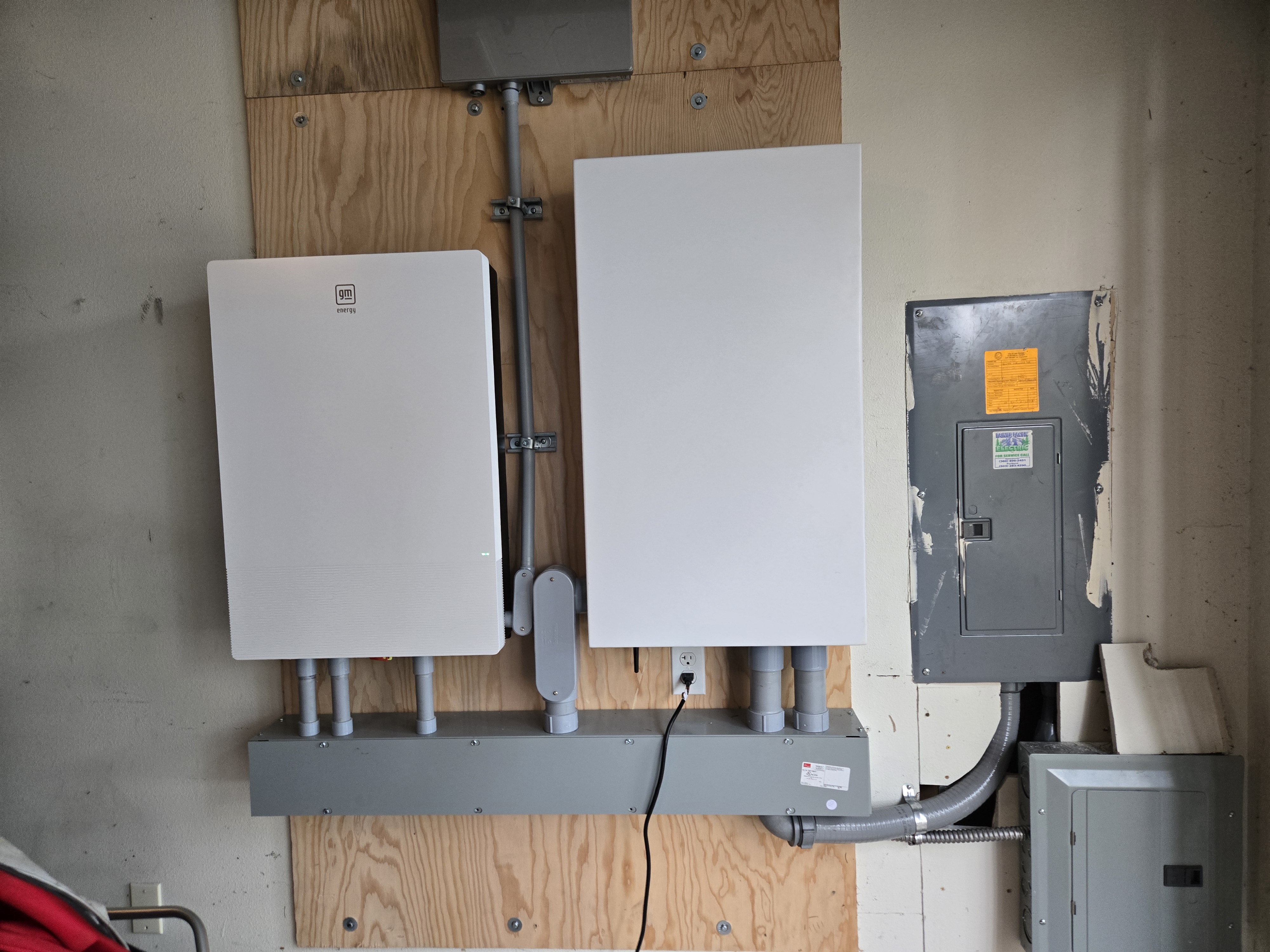
Neil Tunmore: I fully endorse battery back up vs using generators , for example. But, similar to the car discussion, somehow the costs have to come down for everyone to want to adopt it. I selected powerwall over a generator for my home because:
1. I could afford it
2. It was quieter
3. I could use it to reduce energy costs
But, at this point the return is a long way out there. I had to accept that if we had a 3 or 4 day outage then my batteries would drain. In the winter solar can’t keep up with the demand. Anyway, I love the system but I think home owners need to decide what they want and what they can afford.









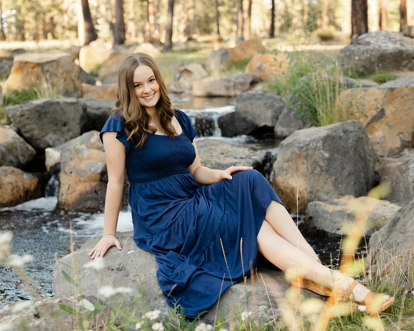 “Receiving the Mary Ratcliff Sustainability Award is such an honor, and I’m proud to say I’ve positively impacted Lake Oswego’s sustainability in a recognizable way. In the near future, I will study Environmental Sciences at the Oregon State University Honors College as a Presidential Scholar, and I hope to continue creating meaningful change that benefits climate and human health outcomes well into my future.”